Source Airline Pilot Uniform for Cockpit, Cabin, and Ground Staff
Compare 30 verified listings for airline pilot uniform options including work fashion and maintenance styles. Buyers can evaluate materials like rayon and polyester, check customization services, and review MOQs ranging from 100 to 5000 pieces for various workplace needs; compare the available evidence and request quotations based on your requirements.
Key considerations
Products List
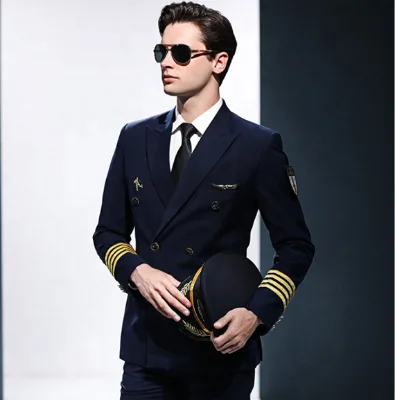
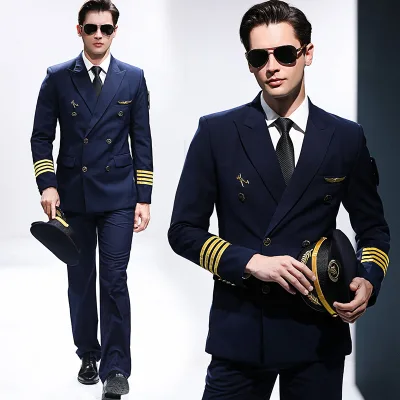
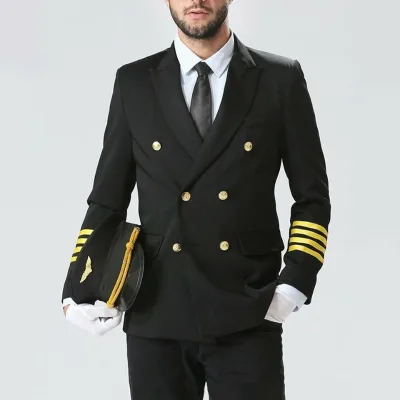
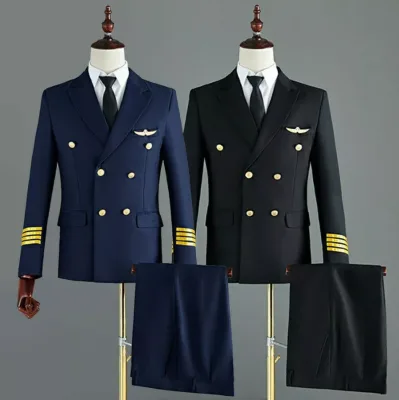
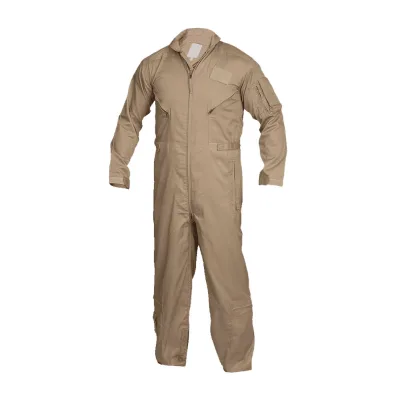
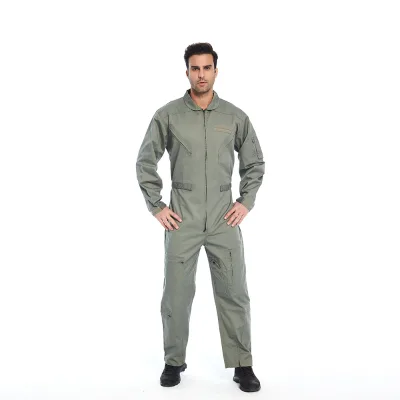


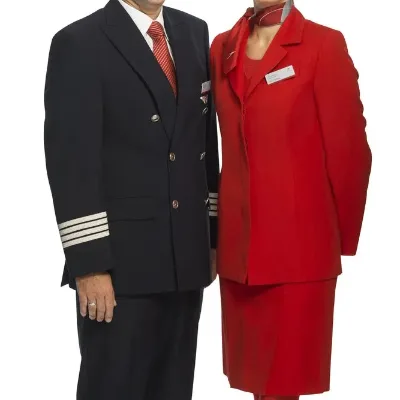
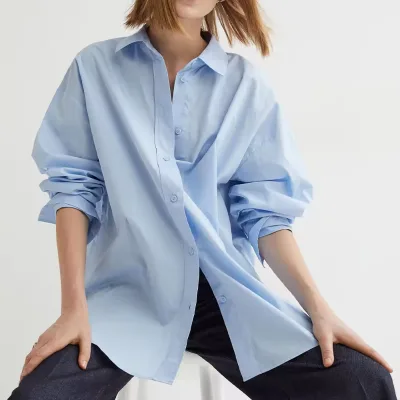
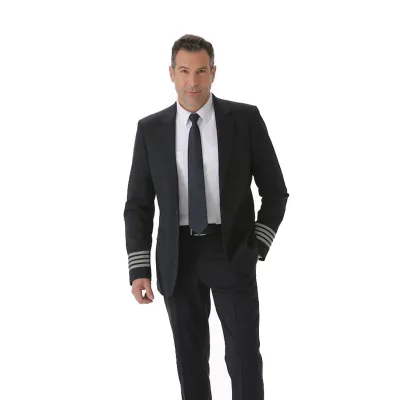
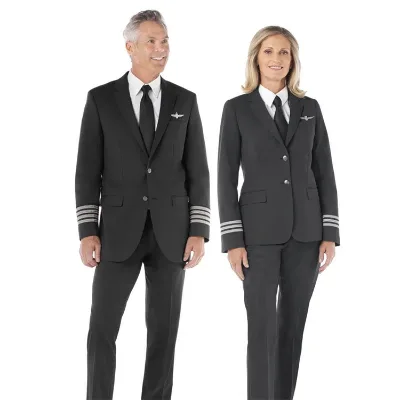
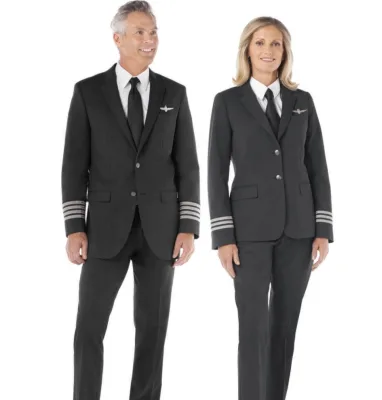
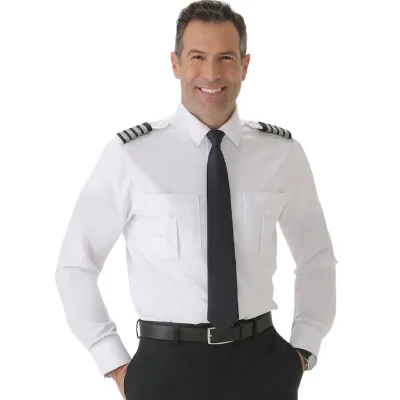


Comprehensive Sourcing Guide
Airline Pilot Uniform Sourcing Guide
Sourcing airline pilot uniforms requires navigating a complex landscape where professional aesthetics must align with rigorous operational safety standards. Buyers should prioritize suppliers offering OEM and ODM design capabilities to ensure the final garment meets specific airline branding and ergonomic requirements. The observed market data indicates a strong presence of manufacturers in Guangdong, China, who provide competitive pricing and specialized mancraft for work fashion uniforms. These suppliers often support sample orders within seven days, allowing procurement teams to validate fit and fabric quality before committing to large-scale production runs.
The commercial terms for these specialized garments vary significantly based on customization levels and material composition. While some listings suggest a minimum order quantity as low as 100 pieces, others require volumes up to 5,000 units, necessitating careful negotiation to align with fleet size and budget constraints. Buyers must verify that the supplier's production standards accommodate specific fabric blends, such as wool or polyester-tex blends, which are critical for maintaining the professional appearance and durability required in high-traffic aviation environments.
Product Scope and Observed Listing Signals
The product scope for pilot uniforms extends beyond simple attire to include specialized work fashion items designed for office and maintenance environments. Observed listings highlight features such as anti-shrink, anti-wrinkle, and anti-static properties, which are essential for maintaining a crisp appearance throughout long shifts. The available color palette typically includes black, blue, khaki, and grey, allowing airlines to select shades that match their corporate identity while ensuring high visibility and professional consistency across the fleet.
Material composition is a primary signal of quality, with observed data indicating the use of rayon, cotton, and polyester blends. These materials are selected for their balance of comfort and durability, often incorporating rip-stop and flame-retardant treatments to meet safety expectations. Buyers should note that some suppliers offer all-in-one structures with accessories like badges, while others provide separate components that require assembly. Understanding these variations helps in defining the exact scope of the procurement to avoid gaps in the final uniform set.
Technical Specifications to Verify
Technical verification must begin with the structural integrity of the garment, specifically checking for seamless fusing and needle detection capabilities. The absence of seamless fusing in some listings suggests a traditional construction method that may offer superior durability, while the presence of needle detection indicates a commitment to safety standards that prevent metal contamination. Buyers should confirm that the single package size and gross weight align with logistical requirements, ensuring that the uniform can be efficiently stored and distributed to crew members without unnecessary bulk or weight penalties.
Size specifications and model numbers are critical for ensuring a proper fit across a diverse workforce. Observed data points to size ranges from 44-56 and specific model numbers like DSC_0287, which may correspond to different cuts or styles such as overall structures. It is vital to verify that the supplier can accommodate specific sizing standards like 180/100A and that the production line can handle the required volume without compromising on the precision of the cut. Confirming these details prevents the common issue of ill-fitting uniforms that can compromise both comfort and professional presentation.
Compliance and Safety Documentation
Compliance documentation for pilot uniforms must address both general safety standards and specific aviation industry requirements. While the supplied facts mention features like flame retardancy and anti-static properties, buyers must request formal test results to validate these claims against recognized international standards. The presence of specific fabric standards, such as 100% wool or 65%T/35%R blends, should be backed by material certificates that verify the composition and performance characteristics of the textiles used in the final product.
Safety features like needle detection and rip-stop capabilities are not merely marketing points but essential components of the uniform's safety profile. Procurement teams should verify that the supplier has a documented quality control process that includes these checks at every stage of production. Additionally, the workplace applicability, whether for office or factory settings, must be clearly defined to ensure the uniform meets the specific environmental hazards and safety protocols of the airline's operational zones.
Cost Drivers and Commercial Terms
Cost drivers in the pilot uniform market are heavily influenced by the complexity of customization and the quality of raw materials. Suppliers offering highly welcomed customized services and competitive pricing often leverage their location in Guangdong to optimize logistics and production costs. However, the inclusion of advanced features like flame retardancy or specific fabric blends can significantly increase the unit price, requiring a detailed cost-benefit analysis to determine the optimal balance between performance and budget.
Commercial terms such as minimum order quantities and lead times play a pivotal role in the financial planning of the procurement project. While some suppliers support sample orders with a seven-day lead time, bulk production may require adherence to higher MOQs, ranging from 300 to 5,000 pieces. Buyers should negotiate clear terms regarding payment schedules and delivery timelines to ensure that the uniform rollout aligns with the airline's operational calendar, avoiding delays that could impact crew readiness.
Supplier Qualification and Quality Control
Supplier qualification should focus on verifying the manufacturer's ability to deliver consistent quality across large production runs. The observed data indicates that suppliers in China, including those in Nanjing and Guangdong, offer a range of services from design to packing, but buyers must assess their track record for meeting strict quality benchmarks. The availability of specific packing methods, such as polybag and carton combinations, suggests a level of logistical maturity that is essential for protecting the uniform during transit and storage.
Quality control processes must be robust enough to handle the specific demands of aviation apparel, including the detection of defects and the verification of material standards. Buyers should inquire about the supplier's internal testing protocols, particularly for features like anti-wrinkle and quick-dry properties, which are critical for maintaining the uniform's appearance in varying weather conditions. Establishing a clear communication channel, such as the provided contact number, ensures that any quality issues can be addressed promptly and effectively.
Long-Term Procurement Checks
Long-term procurement checks should include regular audits of the supplier's production capacity and adherence to evolving safety standards. As aviation regulations and fashion trends shift, the ability of the supplier to adapt their designs and materials is crucial for maintaining a competitive edge. Buyers should establish a schedule for periodic reviews of the uniform's performance in the field, ensuring that features like anti-static and rip-stop capabilities continue to meet the airline's operational needs.
Building a sustainable relationship with the supplier involves monitoring their ability to maintain consistent quality and pricing over time. The observed advantage of competitive prices and mancraft suggests that these suppliers can offer value, but buyers must remain vigilant about potential changes in material costs or production constraints. Regular communication and feedback loops will help ensure that the uniform remains a reliable asset for the airline's crew, supporting both safety and professional image in the long run.
FAQs
Can I customize airline pilot uniforms with my own design?
Yes, highly welcomed customization services are available for these uniforms. Buyers can request OEM or ODM designs to match specific brand requirements. The supplier supports tailored solutions including custom colors and logos. This ensures the final product aligns perfectly with your organization's identity and professional standards.
What materials are used for these work fashion uniforms?
The uniforms are crafted from various materials including rayon, cotton, and polyester. These fabrics are selected for durability and comfort in professional settings. Some options may include wool blends for specific seasonal needs. The material choice ensures the garments are suitable for office or factory environments while maintaining a sharp appearance.
What is the minimum order quantity for these uniforms?
The minimum order quantity varies, typically starting at 100 pieces for some items and 300 pieces for others. Higher volume orders may have different thresholds up to 5000 pieces. This flexibility allows businesses of various sizes to procure the necessary inventory. Buyers should confirm the specific MOQ for their chosen style and material combination.
How long does it take to produce a sample order?
Sample orders are supported with a lead time of seven days. This quick turnaround allows buyers to evaluate quality and fit before committing to bulk production. The efficient sample process helps streamline the sourcing decision. Once the sample is approved, the supplier can proceed with the full manufacturing order.
What features do these uniforms offer for workplace safety?
These uniforms include features such as anti-wrinkle, anti-static, rip-stop, and flame retardant properties. Some variants also offer quick-dry capabilities and anti-shrink performance. These attributes ensure durability and safety in maintenance or factory workplaces. The garments are designed to withstand rigorous daily use while maintaining professional standards.
Where are these uniforms manufactured and shipped from?
The uniforms are produced in China, with origins noted in Guangdong and Nanjing. The supplier is based in Guangdong, China, facilitating efficient logistics. Buyers can expect shipments to originate from these manufacturing hubs. This location supports competitive pricing and reliable supply chain management for international orders.